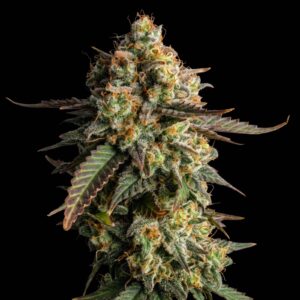
Lavender Characteristics
| THC | 14-20% typical |
|---|---|
| CBD | 0-1% |
| Lineage | Super Skunk, Big Skunk Korean, and Afghani Hawaiian |
| Genetics | Approximately 60% indica and 40% sativa |
| Effects | Relaxing, calming, initially euphoric, physical, heavy, and sedating |
| Flavors | Floral, sweet, herbal, spicy, woody, and lavender |
| Terpenes | Caryophyllene, myrcene, pinene, linalool, and humulene |
| Indoor flowering | 8-10 weeks |
| Outdoor flowering | Around October 10 |
| Maximum height | 180-240 cm |
Feminized Lavender Seeds
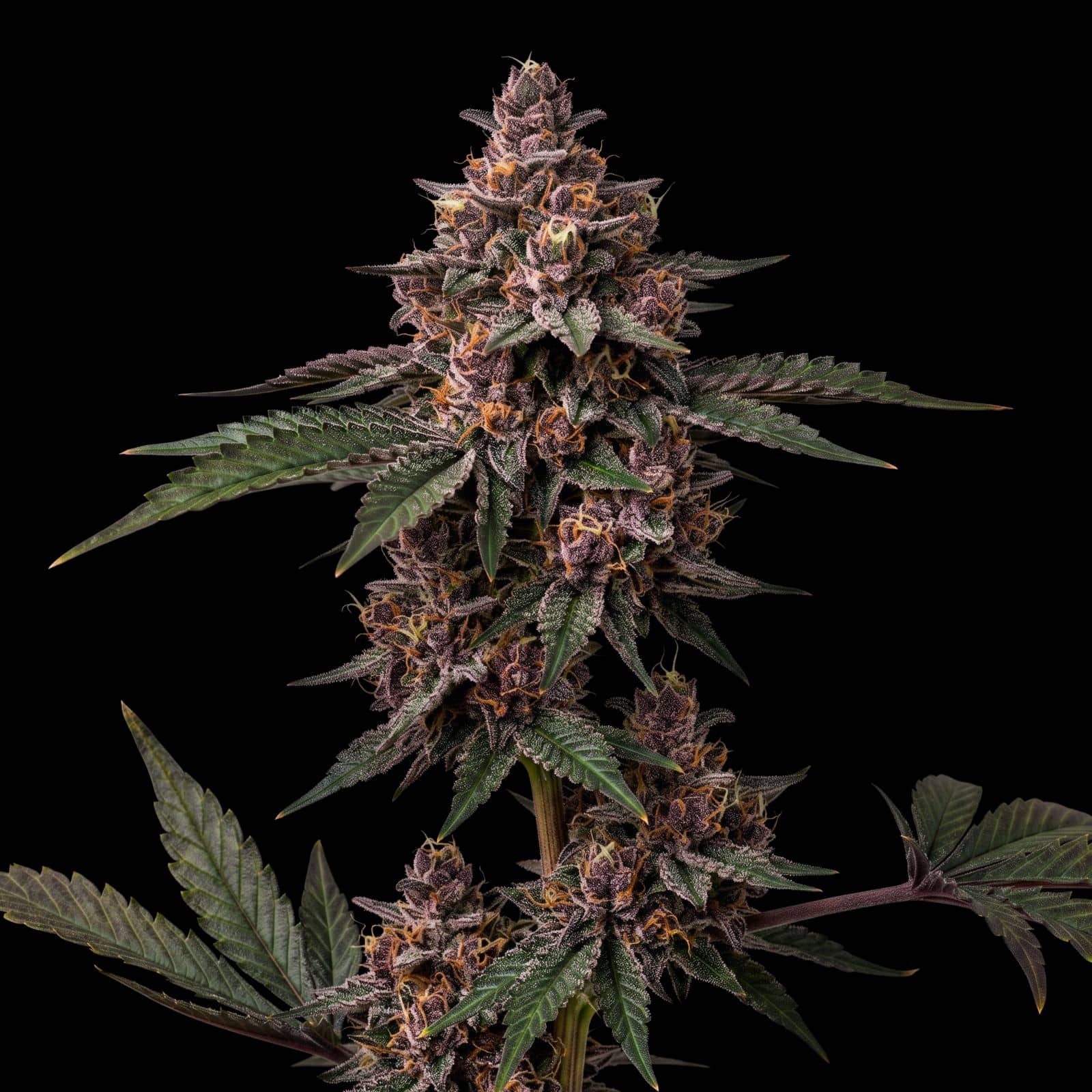
Lavender’s signature is found in its flowers: an intense aroma of lavender and fresh flowers, paired with an appearance that can shift from green to purple, violet, or even metallic purple tones. Color expression depends on the phenotype and environment, so not every plant reaches the same intensity.
Its lineage combines Super Skunk, Big Skunk Korean, and Afghani Hawaiian. This base brings together Skunk, Afghan, and Hawaiian traits in a classic indica-dominant genetic line, close to 60% indica and 40% sativa. As Feminized Lavender, it can show some variability: taller, more slender plants may appear alongside compact, bushy ones, but the floral profile usually remains the common thread.
The buds tend to be dense, resinous, and highly aromatic. The aroma can reveal lavender, flowers, herbs, spices, sweet earth, hash, and Skunk notes. On the palate, it keeps its floral character with sweet, herbal, spicy, and woody nuances, along with possible hints of violet, incense, or musky hash depending on the phenotype.
How Lavender Performs During Cultivation
Our breeders consider it a genetic line that is not usually especially difficult, although its phenotypic variability means each plant should be observed individually. Flowering normally takes between 8 and 10 weeks, with many selections finishing at around 60-70 days. Outdoors, harvest usually arrives in October, and it performs especially well in mild, sunny, and stable climates.
It can be grown indoors, outdoors, or in a greenhouse and can reach between 180 and 240 cm when given enough space. A grower who has worked with it several times told us that one of his phenotypes took a little longer to root, but then showed vigorous vegetative growth and good production potential. His practical advice matches this behavior: if rooting starts slowly, it is best to give the plant some time before expecting rapid growth.
The same grower highlighted several phenotypes and described one harvested around day 63 that developed a more intense metallic purple during the following week. Another plant stood out for an extremely floral aroma, specifically compared with a garden of fresh flowers, lotus blossoms, and gardenia. This is feedback about specific plants, not a trait guaranteed in every phenotype.
Lavender Effects
Typical THC levels sit at approximately 14% to 20%, according to tests by our breeders, while CBD usually stays between 0% and 1%. Potency can vary depending on phenotype, cultivation, and batch, so it is more accurate to describe it as having a medium-high to high potency profile.
In some cases, its effect begins with a cerebral, euphoric, mood-lifting phase before moving into deeper physical relaxation. The indica tendency gradually becomes stronger and can end in a heavy, calming, and sedating sensation, especially with larger amounts.
In sensory terms, Lavender feels like a dark garden at the end of the afternoon: lavender, fresh flowers, spices, sweet earth, and incense over a base of hash and Skunk. Linalool supports its floral side, while myrcene and caryophyllene strengthen the herbal, earthy, spicy, and warm tones.
Classic Genetics With the Benefits of Bulk Genetics
When you buy Lavender seeds from Bulk Genetics, you get access to old-school genetics with a strong floral character and 100% discreet shipping. We also include free seeds with every order and offer competitive prices, so you can add an indica-dominant classic to your grow with clear conditions.
Lavender combines a manageable flowering time, the potential to develop striking purple tones, and a bold terpene profile. It is an especially interesting choice if you are looking for resinous buds, intense floral aromas, and established genetics with proven performance both indoors and outdoors.
Frequently Asked Questions
Is Lavender Indica or Sativa?
Lavender is an indica-dominant genetic line, commonly described as approximately 60% indica and 40% sativa. Some selections may express themselves in a more hybrid way or show stronger indica traits.
Is Lavender Suitable for Beginner Growers?
It is not usually considered an especially difficult strain. Even so, it shows phenotypic variability, so it is worth observing the structure and growth rate of each plant, especially during rooting and vegetative development.
When Is Lavender Harvested Outdoors?
Outdoors, Lavender is usually ready around October. It adapts especially well to mild, sunny, and stable climates, although the exact timing depends on the phenotype and growing conditions.
Listing reviewed by the Bulk Genetics team, specialised in the selection and distribution of seeds since 2016.
Last updated: 26/08/2026
The cultivation data shown has been provided by the strain's breeder following test grows, internal selection, cultivation observation and available analyses. These values are indicative and may vary depending on the phenotype, the environment, the technique used and the specific growing conditions.
Legal information and responsible use: The data on cultivation, flowering, yield, cannabinoids, terpenes and effects is provided for informational, descriptive and variety-comparison purposes only. Bulk Genetics does not promote or encourage the cultivation of cannabis in places where current legislation does not permit it. Always check the applicable laws in your country or region before purchasing or germinating cannabis seeds. We remind you that our seeds are sold exclusively as collectors' items.


Reviews
There are no reviews yet