
Search in blog
Blog categories
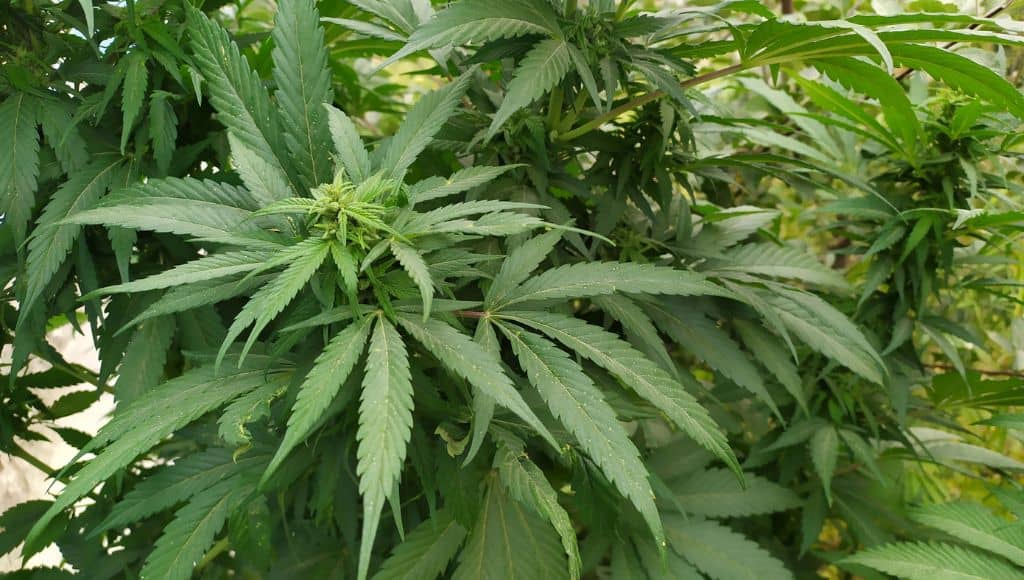
Cannabis for relaxation is usually associated with strains that have a physical, deep, body-focused effect. Many of these genetics come from the mountainous regions of Central Asia, especially Afghanistan, Pakistan and the Hindu Kush area. That is where some of the most influential indica lines in the history of modern cannabis emerged.
When people talk about relaxing marijuana, they are not only referring to a subjective feeling. Behind that profile there are usually compact, fast-flowering, very resinous plants adapted to dry, harsh climates. For decades, these strains have been used to create hybrids with effects that are more physical than cerebral.
That is why many of today's strains considered relaxing have an Afghan, Kush or Pakistani genetic base. They stand out for their body potency, their resin production and their ability to induce rest, calm and a sensation of physical heaviness.
The relationship between cannabis indica and relaxation has geographical, botanical and cultural roots. Traditional indica strains largely come from areas located above the 30th parallel north. This band includes regions such as Afghanistan, Pakistan, Nepal, Lebanon and Morocco.
These areas have produced plants very different from tropical sativas. While many sativas are characterized by long flowering periods, tall structures and more cerebral or stimulating effects, mountain indicas tend to be shorter, sturdier and faster. Their effect is traditionally described as more physical, heavy and couch-locking.
This type of cannabis has been especially valued for hashish production. Local selection favored plants with abundant resin, intense aromas and marked physical effects. That is why many modern strains geared toward rest still have Afghan or Kush genetics in their family tree.
How relaxing a strain is does not depend only on whether it is indica or sativa. Its cannabinoid profile, its terpenes, the harvest time, the drying, the curing and each person's tolerance also play a role. Even so, certain traditional lines have historically been selected for very specific traits.
Afghan, Kush and Pakistani strains usually combine fast flowering, dense buds, abundant trichome production and deep aromas. That concentrated resin was one of the reasons why these plants became the ideal raw material for making hashish.
In popular terms, many of these genetics are described as body-relaxing cannabis, although it is worth pointing out that not everyone experiences the same effects. For some consumers, these strains bring a calm, mellow, heavy-bodied feeling. For others, they can feel too heavy or sedating.
When looking for marijuana strains with physical and relaxing effects, Afghan lines take center stage. Their influence is present in many modern commercial strains, especially indica-dominant hybrids.
These plants usually share several traits:
This profile made them especially interesting for Western breeders, who used them to add speed, resistance, potency and physical effect to modern hybrids. Many strains sold today as relaxing indicas partly originate from these regions.
One of the most important lines when it comes to relaxing cannabis is Hindu Kush. Its name refers to a vast mountain range in Central Asia that crosses parts of Afghanistan and Pakistan until it connects with the Himalayas.
The Hindu Kush region is characterized by high mountains, dry climates, large temperature differences and relatively short growing seasons. These conditions favored the emergence of resistant, compact and fast plants. Instead of developing huge structures and endless flowering periods, these strains evolved toward more efficient forms adapted to their environment.
Kush genetics became famous for their physical effects, their intense aroma and their high resin production. Over time, they became one of the most widely used bases for creating modern hybrids with a relaxing profile, especially for indoor growing.
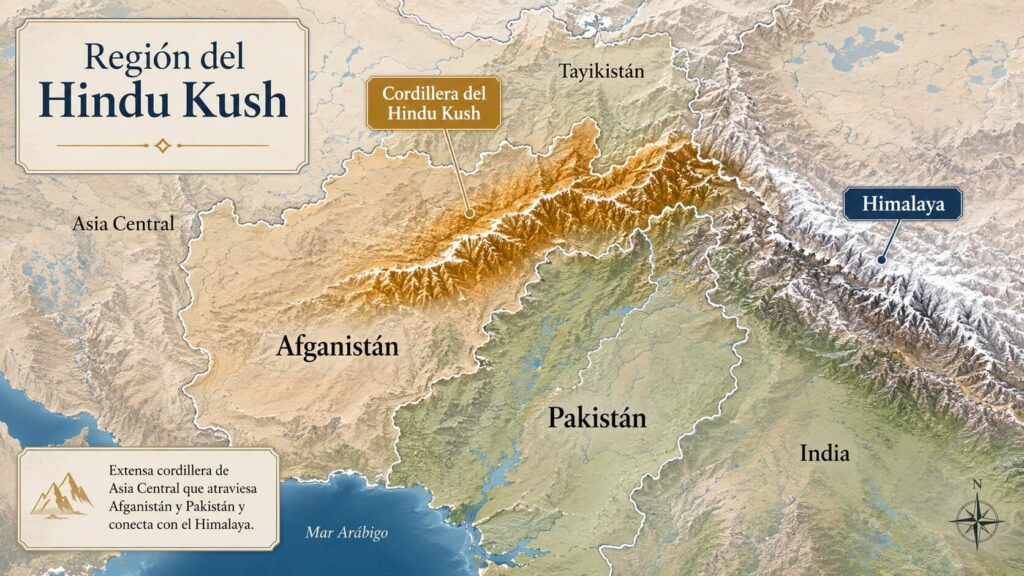
Afghanistan is one of the most important territories in the history of indica cannabis. Although the country is also known for poppy and opium production, its cannabis strains have had an enormous influence on hashish culture and modern breeding.
In many rural and mountainous areas, cannabis was grown mainly to extract resin. Traditionally, partially dried plants were rubbed or shaken over surfaces where the trichomes stuck. Later, dry sieving methods spread, similar to those used in Morocco.
This use favored the selection of very resinous plants. Obtaining visually perfect flowers was not as important as having plants capable of producing a large amount of trichomes. That is why many Afghan strains developed a very close relationship with the production of high-quality hashish.
Within Afghan cannabis, one of the best-known references is Mazar-i-Sharif, a city in northern Afghanistan near Uzbekistan and Tajikistan. The strains associated with this area are usually included in the group of Afghan or “Afghani” genetics.
Some authors link these lines to nearby Pakistani populations, which makes sense considering that modern political borders do not always reflect the historical movement of seeds, crops and farming techniques. For centuries, seeds traveled with farmers, traders, travelers and local communities.
Over time, each area developed its own traits. Northern Afghan lines usually stand out for their resistance, speed, compact structure and resin production. These qualities explain why they have been so valued by breeders looking to create potent, stable strains with a physical effect.
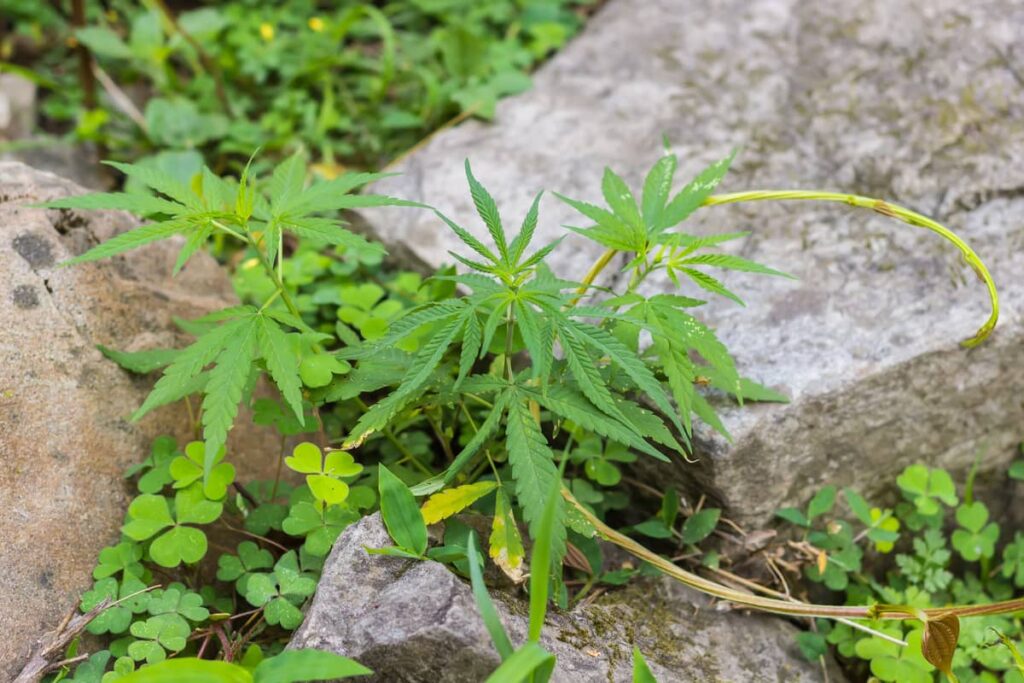
Afghan plants usually have a clearly indica phenotype. They are compact, wide and sturdy, with large leaves and broad leaflets. Their color is usually a deep, intense dark green. The overall structure tends to be short or medium, with a semi-columnar shape and a dense appearance.
Unlike many tropical sativas, Afghan plants do not need especially long flowering periods. They are adapted to mountain areas where the favorable period to complete their cycle is limited. That is why they usually finish earlier and offer faster harvests.
This trait has been key in modern breeding. By crossing Afghan lines with long-flowering sativas, breeders were able to shorten growing times, compact structures and add a more physical dimension to the final effect.
One of the most distinctive traits of these strains is their aroma. Afghan lines can give off pungent, sour, earthy, musky or even somewhat unpleasant smells during flowering. That aromatic intensity was one of the reasons why some of these genetics became associated with the concept of “Skunk”.
In addition, Afghan plants produce resin not only on the buds but also on the leaves close to the flowers. This makes them especially interesting for making hashish and traditional extractions.
As for the effects, they are usually described as physical, heavy and relaxing. That is why people looking for the most relaxing marijuana tend to look at indica-dominant, Kush or Afghan strains, or hybrids clearly influenced by these lines. However, it is important to remember that the final effect also depends on the specific chemistry of each plant and on each consumer's individual response.
The idea of body-relaxing cannabis is often used to describe strains that produce a feeling of physical looseness, heaviness or deep calm. Afghan and Kush indicas fit this picture well because they have traditionally been associated with intense body effects.
However, not all indicas are the same, and not everyone reacts in the same way. A strain can be deeply relaxing for one consumer and too sedating for another. There are also balanced hybrids that offer physical relaxation without producing an overly heavy sensation.
That is why, when talking about cannabis for relaxation, it is worth looking beyond the “indica” label. The terpene profile, the THC concentration, the presence of CBD and the plant's ripeness can change the final experience a great deal. The way you consume it and how much you take matter too. Cannabis interacts with the body's endocannabinoid system, and each cannabinoid and terpene adds its own nuance, so two strains with similar THC levels can feel quite different. In the end, the experience always comes down to the dose, the method and your own individual response.
The influence of Afghan strains on modern cannabis is enormous. Many commercial genetics contain, to a greater or lesser extent, Afghan, Kush or Pakistani blood. This is because these lines provide traits that growers and breeders are always looking for.
Their most important contributions include fast flowering, resistance, compact size, resin production and physical effects. These traits were especially useful when indoor growing began to expand, since compact, fast plants were better suited to small spaces.
They also made it possible to create more manageable hybrids from tropical sativas. By introducing Afghan genetics, breeders could reduce height, shorten flowering and add density to the buds. The result was a new generation of hybrid strains with potency, productivity and more balanced effects.
There is no single answer to what the most relaxing marijuana is, because the effect depends on many factors. Even so, strains with Afghan, Kush, Pakistani or classic indica influence come up again and again when talking about cannabis for relaxation.
In general, people looking for a more physical effect tend to prefer indica-dominant strains with earthy, sweet, spicy or resinous aromas. They also value short-flowering plants and dense buds, common traits in genetics from the mountainous areas of Central Asia.
The key is to understand that “relaxing” does not necessarily mean better for everyone. Some people prefer a gentle, functional relaxation, while others look for a heavier, nighttime, couch-lock effect. That is why choosing a strain should take into account the context, your tolerance and the type of experience you are looking for.
Cannabis for relaxation has a history deeply linked to the indica strains of Central Asia. Afghan, Kush and Pakistani lines emerged in harsh, dry, mountainous environments, where plants had to adapt with compact structures, fast flowering and high resin production.
These traits turned them into a fundamental base for creating modern hybrids with physical, relaxing effects. Their influence is still present in many current strains, especially those geared toward winding down, hashish production or indoor growing.
Talking about relaxing marijuana largely means talking about the Afghan and Kush heritage. These genetics have shaped the way we understand indica cannabis: resistant, resinous, aromatic plants with a clear tendency to produce deep body sensations. That is why, when people look for cannabis indica for relaxation, many eyes still turn to the Hindu Kush mountains and the old Afghan lines.
 The Best American Strains
Top 5 THC-free marijuana strains
Top 5 of the Best Red Cannabis Strains
Top 10 most powerful cannabis strains
Purple Cannabis: Top 10 Strains