
Search in blog
Blog categories
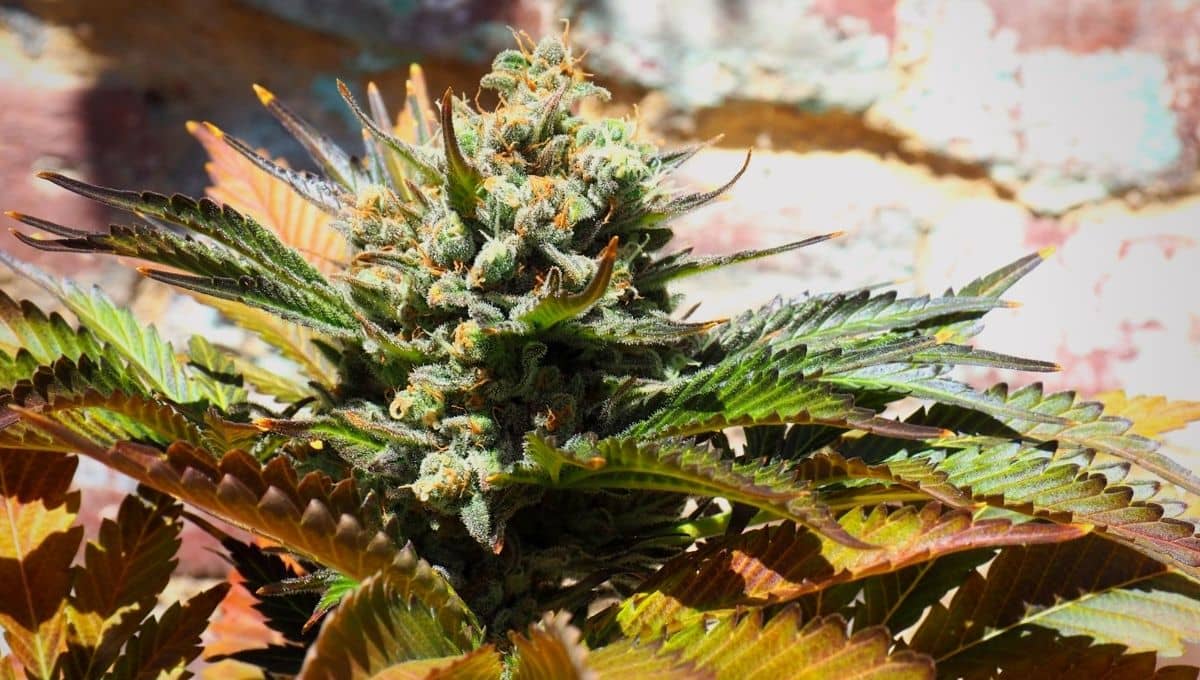
Cannabis Indica is one of the two main subspecies of cannabis. The other one is cannabis Sativa. There are many differences between the two, but today's article will focus exclusively on the former.
In 1753, the Swedish naturalist, scientist and botanist Carl Linnaeus identified and classified a single species of cannabis as Cannabis sativa L or Cannabis Sativa Linnaeus. He based it on hemp, which was widely grown at the time for its fiber.
Years later, in 1785, the French naturalist Jean-Baptiste Lamarck was forced to make a reclassification when he received samples of plants from India that were morphologically different. In addition, they produced psychoactive effects when smoked.
He decided to call this new subspecies Cannabis indica, in a clear reference to India, the country where it was almost exclusively cultivated.
It is now widely accepted that the origin of Cannabis indica is the Asian subcontinent and more specifically the Hindu Kush, a huge mountain range about 600 miles long that runs through Afghanistan, Pakistan, China and Tajikistan. And then they spread to nearby countries such as Nepal and India.
With many of its peaks above 16,000 ft, in an arid climate with little rainfall during the summers, Indica cannabis species have adapted over the centuries to survive in these harsh conditions.
In general, they are all compact plants, with short internodes, medium branching and large leaves with very broad petioles to receive as much sun as possible.
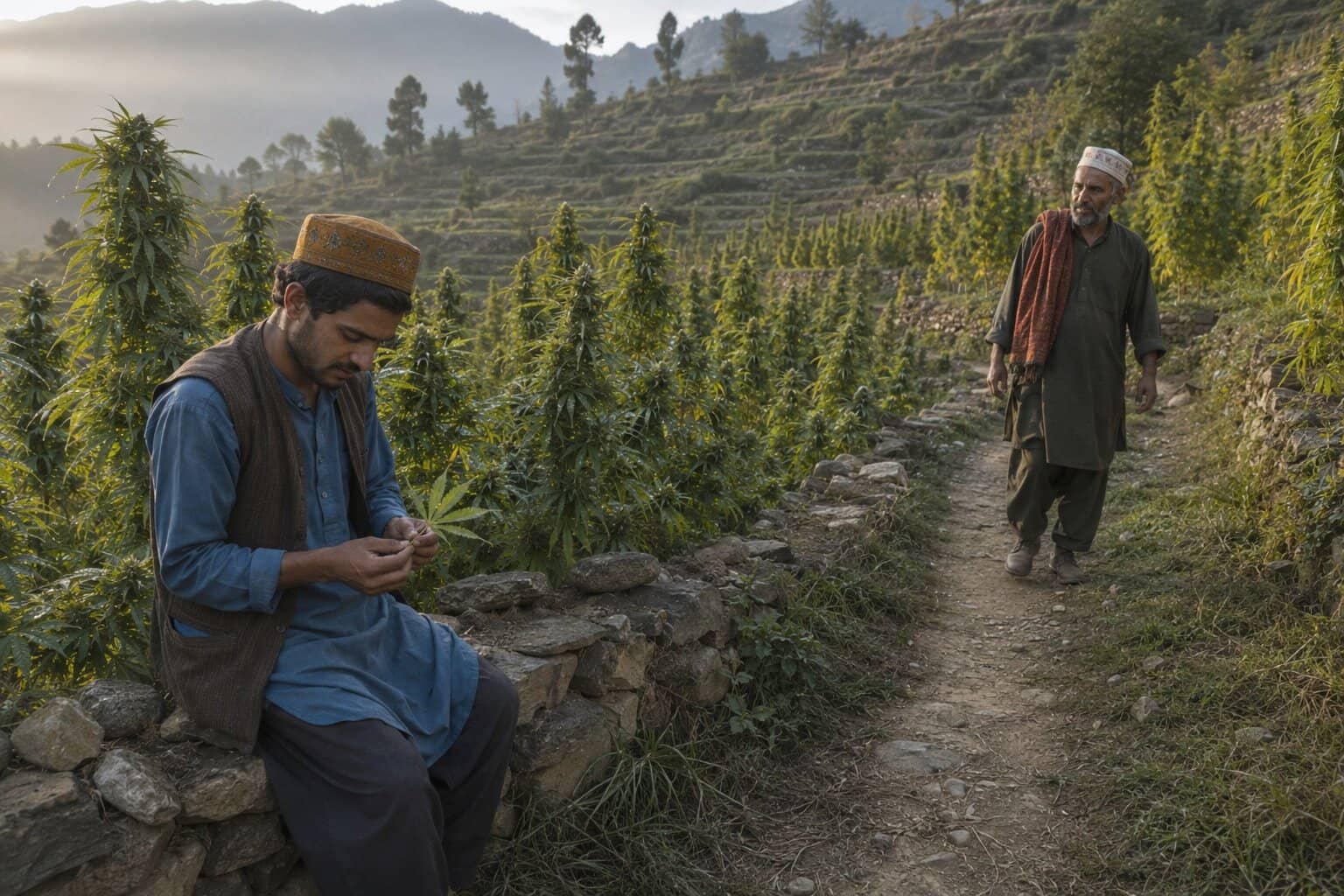
The flowering period is fast, as an average latitude of 35ºN and shaped by the harsh fall weather in the Hindu Kush, they have evolved to complete their cycle before the arrival of the monsoon season in October and the heavy rains.
A common feature of these strains is their high resin production. It is not for nothing that they are often referred to as hash plants, as they are used to make one of the most appreciated extracts in the world.
At first, especially in the US in the 1960s and 1970s, they weren't very popular. For decades, Americans had been smoking mostly Sativa from Mexico, and the heavy, sedating effect of Indicas wasn't what they were used to.
But instead, some pioneers saw a way to use the strengths of Indicas to improve Sativas, which could only be grown outdoors in some areas of the country because of their long flowering time.
That's how Skunk was born, the most influential strain in history and present in probably more than 80% of commercial hybrids. Sam the Skunkman combined a Colombian x Mexican hybrid with an Afghani. This shortened the flowering period, made it more resistant and productive, and maintained the strong psychoactive effect, but more balanced.
Cannabis Indica: effects
In terms of effects, they are generally relaxing genetics. It is often said that this is because they have less THC than Sativas, but this is totally false. In some cases THC levels are higher than many Sativas.
| CANNABIS INDICA TRAITS | CANNABIS SATIVA TRAITS |
|---|---|
| They come from mountainous regions (Afghanistan, Pakistan, northern India). Compact plants Short internodes Leaves with broad petioles Short flowering Compact buds Physical, sedating effects | They come from tropical countries (Thailand, Colombia, Mexico, Congo). Tall plants Spaced internodes Leaves with sharp petioles Long flowering Airy buds Cerebral and euphoric effects |
This is due to the high level of CBD, which is an antagonist to THC and acts as a buffer that modulates its effects. And also to the predominance of the terpene myrcene, present in the vast majority of Indicas, which is associated with a more physical effect.
These strains are also known for a few other typical traits:
Types of cannabis Indica
There are a lot of types. In such a vast expanse as the Hindu Kush, landraces once numbered in the hundreds, each with its own peculiarities.
Unfortunately, conflicts, especially in Afghanistan, have driven many landraces to extinction. Some of them found their way out of the country in the pockets of many adventurers or soldiers stationed there, especially during the Soviet war in Afghanistan in the late 1970s and 1980s.
So broadly speaking, Indica cannabis strains can be roughly classified by their country of origin.
Names of cannabis Indica
The vast majority of Indicas on the market come from the Afghan Hindu Kush, such as Hindu Kush, Afghani, Hash Plant, Ortega, Deep Chunk, Maple Leaf or Mazar-i-Sharif.
Pakistan is the origin of Pakistan Chitral Kush, X18 or Pakistan Valley. India's most famous is Kashmiri. And also from other areas such as Uzbekistan (Taskenti) and China (China Yunan).
And of course, some of these Indicas gave birth to many others like Northern Lights, Black Domina or California Indica.
 Cannabis for relaxation: the origin of indica strains with a heavy, body-focused effect
The Best American Strains
Top 5 THC-free marijuana strains
Top 5 of the Best Red Cannabis Strains
Top 10 most powerful cannabis strains