
Search in blog
Blog categories
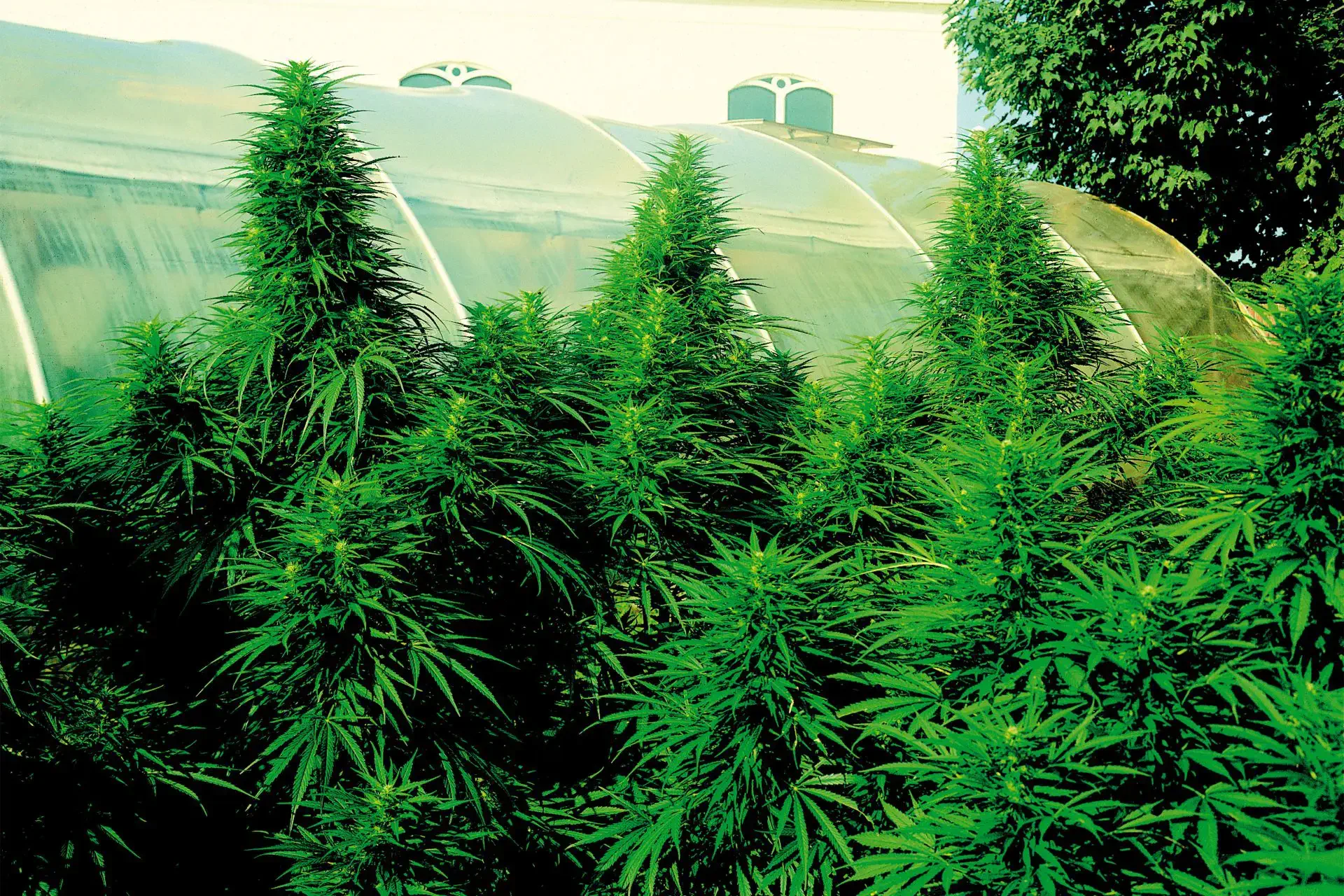
You've surely heard of autoflowering strains. They've been on the cannabis seed market for years now, but do you know where they came from? Have you ever heard of the Ruderalis cannabis family? Do you know what traits autoflowering plants share?
In this article, we'll go through the history of autoflowering plants together, and we'll also share our best tips and tricks for success when growing autoflowering cannabis outdoors and indoors.

If you can now find almost every feminized cannabis strain in an autoflowering version, it's thanks to a discovery dating back to 1924. That year, the Russian botanist Dmitrij Erastovich Janischewsky described Ruderalis cannabis.
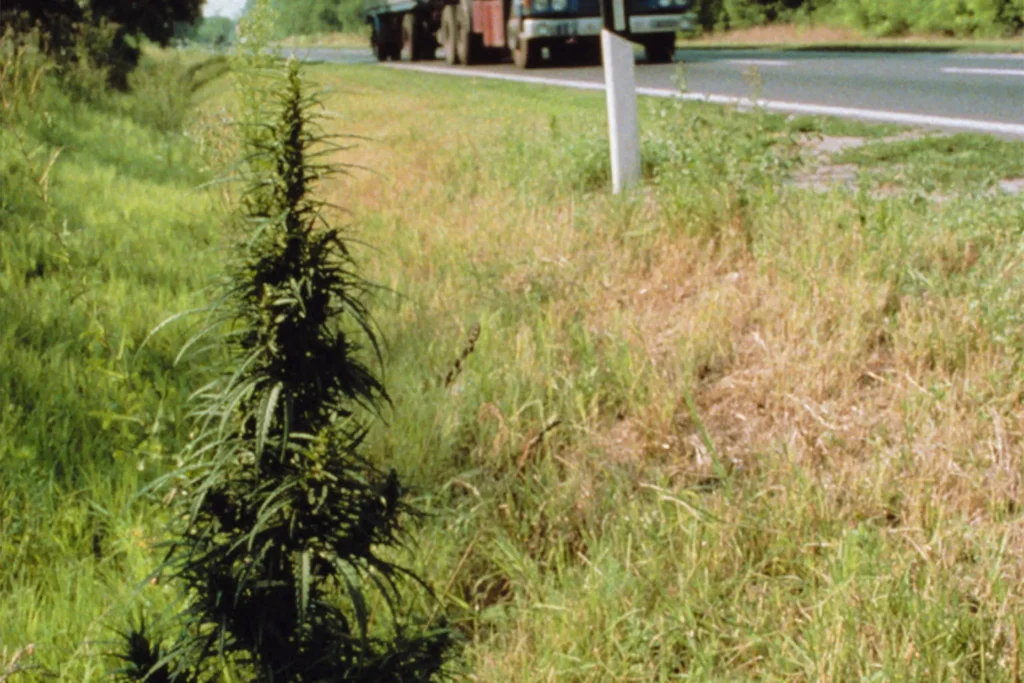
The name "Ruderalis" comes from ruderal, a term for wild plants that colonize disturbed ground. It grows naturally on roadsides and fallow farmland across Russia and Central Asia. A few wild examples can also be found in North America, including the United States and Canada.
Development of the first autoflowering cannabis plants
For a very long time, Ruderalis was almost ignored by breeding programs. Breeders focused on Indica and Sativa plants, which gave much bigger yields and far higher levels of cannabinoids and terpenes.
During the 1970s, breeders tried several crosses between Ruderalis and Sativa or Indica, including a cross between a Mexican Sativa and a Russian Ruderalis. The results weren't convincing, though: the plants weren't stable, and smoking Ruderalis turned out to be a pretty unpleasant experience.
Things changed when the breeder known as the Joint Doctor got hold of a somewhat mysterious strain called "Mexican Rudy", most likely from those early experiments. Intrigued by its traits, he made several crosses, notably with a Northern Lights #2, and then crossed the result with an Indica called Williams Wonder. That let him keep the autoflowering trait while getting plants with real THC content and interesting flavors. It took six generations of crosses before the basis of every autoflowering strain, the famous "Lowryder", appeared.
Today, you'll find autoflowering plants in every seed bank's catalog. After many generations of crosses and backcrosses, there are autos of every kind. Growers looking for very productive autoflowering plants can turn to XL autoflowering strains, such as our bulk Green Skunk XL Auto.
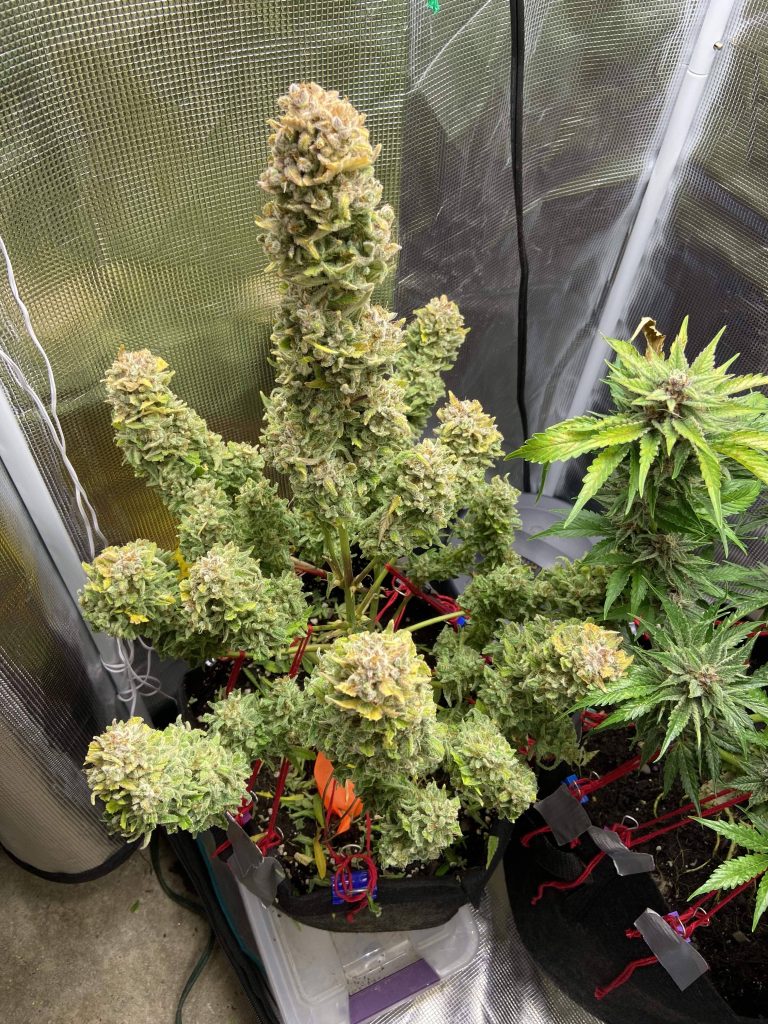
And for growers on a tighter budget, there's always cheap bulk autoflowering cannabis seeds. No more excuses: everyone can grow their own cannabis, no matter how much space they have (just check your state and local laws first).
The main trait all autoflowering cannabis plants share is that they don't depend on the photoperiod. What does that mean? Ruderalis-based plants start flowering no matter how much light they get. That's a big difference from their Indica and Sativa cousins, and it lets them fit into all kinds of grows.
For photoperiod plants, the "traditional" strains, flowering starts when the days get shorter. Outdoors in the US, that usually happens from late July into August, depending on where you live. Indoors, you have to switch to 12 hours of light for the plants to start flowering.
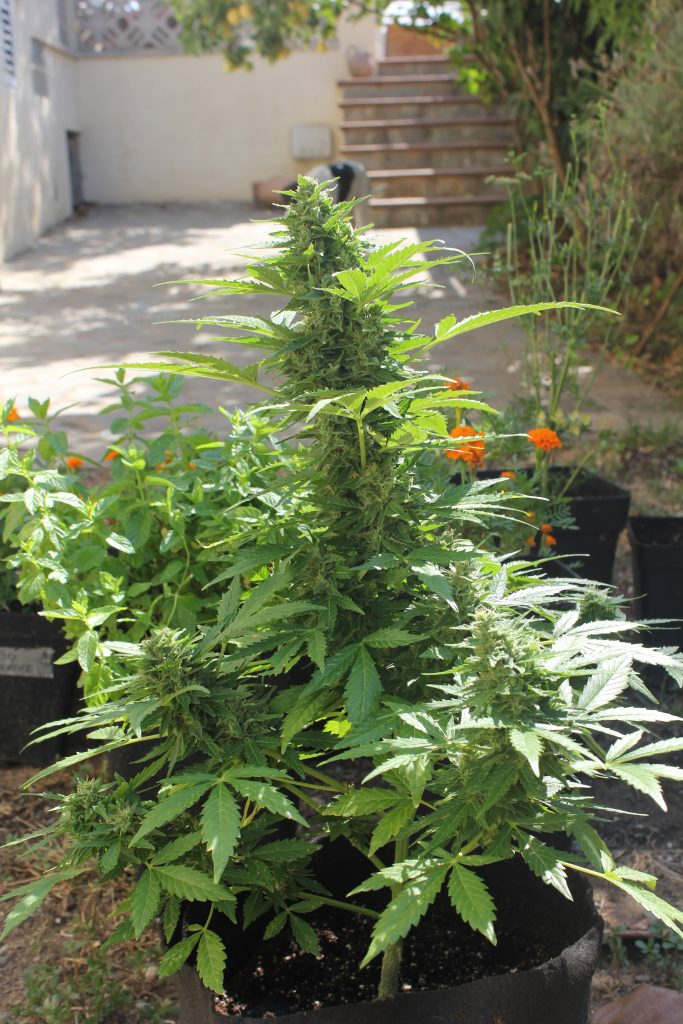
So when you grow autos outdoors, you can pull off several harvests in one season. That makes them an excellent option if you want some bud to smoke during the summer, instead of waiting until September or October like you do with photoperiod plants.
Indoors, you don't need to change the light schedule for autos to start flowering. Some growers run 18 hours of light, but you can go up to 20 hours or even leave the lights on 24/7 to get the most out of your plants.
Autoflowering plants are a breed apart. Most of them stay small (except for XXL autos) with a compact structure. Even so, Ruderalis-based plants keep all the hallmarks of cannabis, with leaves that look just like those of photoperiod strains.
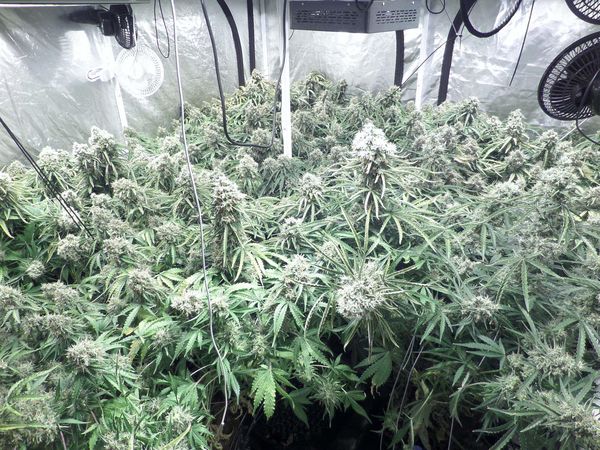
We hope we've answered your questions about autoflowering cannabis plants. Autos are an excellent option for growing cannabis both indoors and outdoors, and they can give you surprisingly big harvests.
Happy growing!
Keep reading:
Cannabis Indica: origin and characteristics
The 10 most productive autoflowering strains of 2026
Shop our bulk autoflower seeds
 Cannabis for relaxation: the origin of indica strains with a heavy, body-focused effect
The Best American Strains
Top 5 THC-free marijuana strains
Top 5 of the Best Red Cannabis Strains
Top 10 most powerful cannabis strains