
Search in blog
Blog categories
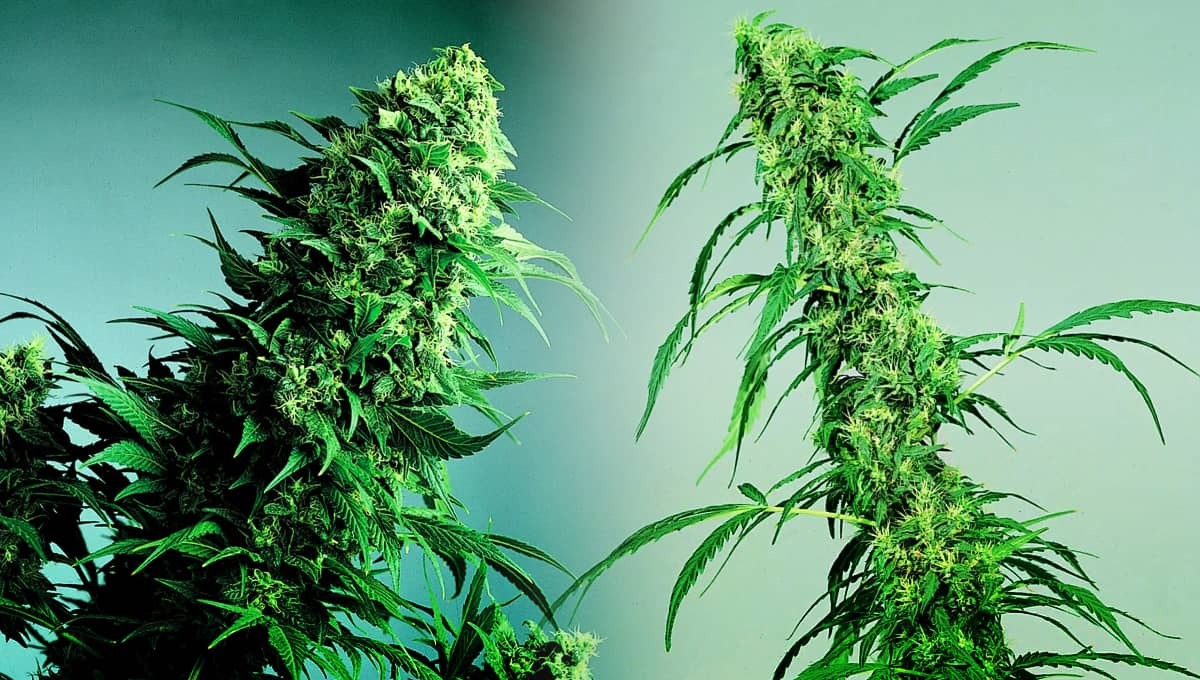
There are currently thousands of different types of cannabis and strains in the catalogs of the big seed banks. So it's easy for a beginner to get confused when choosing which strain to grow, even though that choice is crucial to a successful grow and harvest.
It really pays to pick the right strain. It can make or break your results. Plants behave differently during the grow depending on the type of cannabis, and so do the flavors and effects you'll get from the harvest.
Indica, Sativa, Hybrid and so on: each has its own traits, and that should be the first thing to consider before picking a strain, whether you grow indoors or outdoors. So we'll quickly go over what defines each type of cannabis. We'll also cover strains with Ruderalis genetics, better known as autoflowers, and CBD-rich strains, often chosen by people who prefer a balanced, clear-headed effect with low THC.
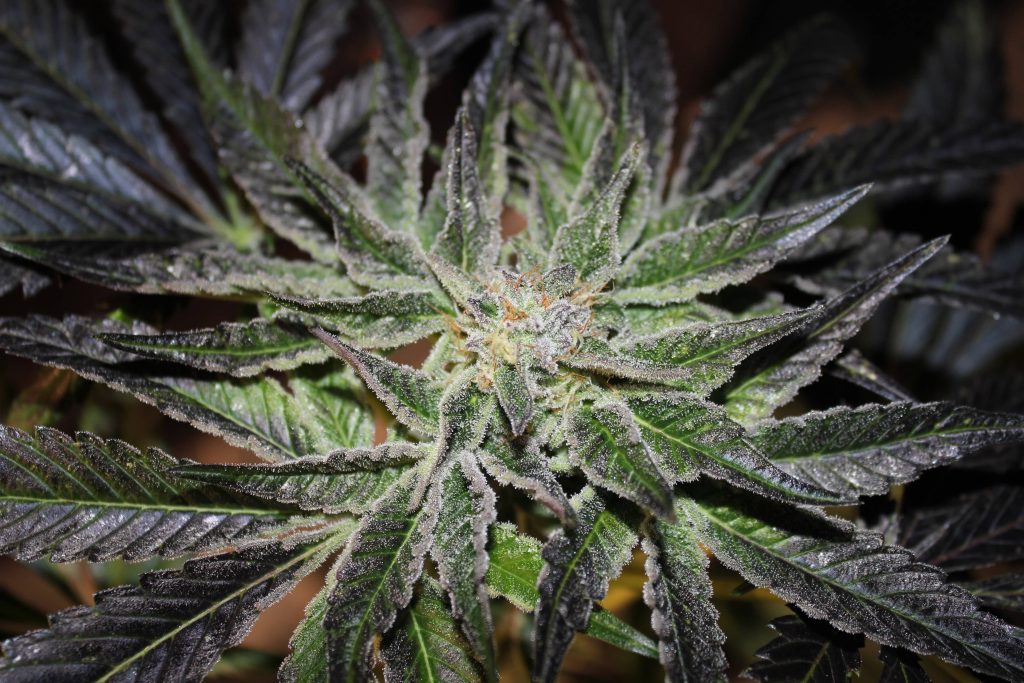
So today we're going to walk you through the different types of cannabis on the market. Then you can choose the strains that best suit you and your grow space. Set yourself up for an enjoyable grow and a harvest that lives up to your expectations.
Indica cannabis types
Native 100% Indica plants grow wild in the valleys of the Hindu Kush mountains. That's why you'll find Indica landraces in countries like Afghanistan, Pakistan and Uzbekistan.
Indica plants are often easier to grow than their Sativa counterparts. With more restrained growth, Indica plants are stocky, with tightly spaced internodes, ideal for SOG grows.
Their flowering periods are also much shorter, which lowers the risk of problems during the grow. Indoors, you can usually harvest about 9 weeks after flipping the light cycle.
Outdoors, the fastest strains can be harvested in September, so they're especially well suited to areas with wet falls, like the Pacific Northwest or the Northeast, where finishing early helps you avoid mold such as botrytis (bud rot).
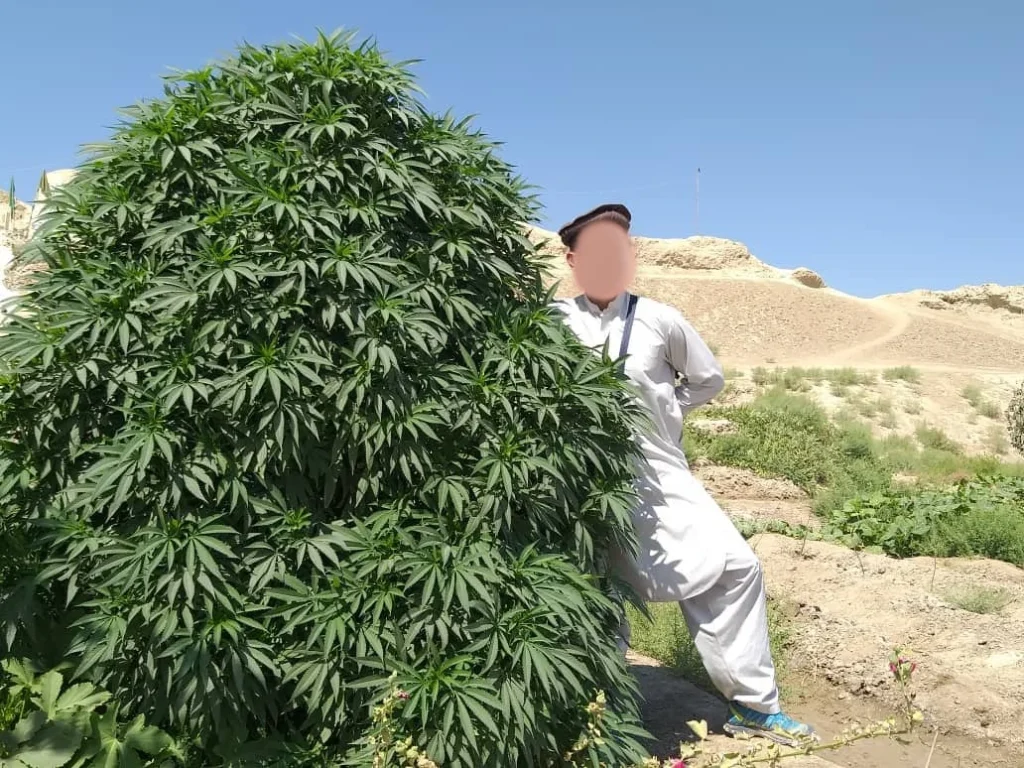
When smoked, they usually deliver a more relaxing effect, centered mostly on the body. Save Indicas for the evening or for times when you have nothing else planned. They're a typical nighttime choice, known for a heavy, deeply relaxing body effect.
Harvests are usually very attractive, with rock-hard, very compact buds. Indica strains also tend to produce loads of resin. That makes them perfect for anyone into extracts, whether traditional hash or more modern methods like rosin or BHO.
Sativa cannabis types
Native Sativa plants come from tropical regions like Thailand, Laos, Cambodia, Colombia, Mexico, India and China. They also grow in several African countries, such as Congo and South Africa.
In general, we don't recommend growing 100% Sativa plants indoors, especially if you're new to growing. These plants are very vigorous, grow fast and can get very tall. You'll need a very short veg period, or you may even have to start them straight under a flowering light schedule.
They can be hard to keep in check, and the tops can quickly reach the light and literally burn. If you still want to grow this type of strain indoors, use training techniques like a SCROG or topping and/or LST to control height and shape the plant.

Flowering takes longer than with Indicas, and can approach 20 weeks in some cases after the flip. Keep a close eye on the grow, because a lot can go wrong over such a long flowering period.
Outdoors, some of these plants won't be ready until November. Avoid them in areas where fall turns wet early, or you risk losing part or all of your harvest to mold. On the plus side, Sativa strains are often lighter feeders.
The effects of Sativa plants are usually focused on the head, with a clear, sometimes psychedelic high. It tends to be very motivating, so it's best avoided before bed or when you want to rest and unwind.
A good way to try 100% Sativa genetics is Durban Poison. It's a Sativa from South Africa that's especially easy to grow and finishes relatively fast.
Hybrid cannabis types
As you'd expect, hybrid strains are the result of crossing Indica and Sativa. They make up most of the strains available today and are the go-to option for most growers. It's the best way to get the best of both worlds. In the grow, you get the famous hybrid vigor, with plants that grow fast but stay easy to manage for most growers, even beginners.
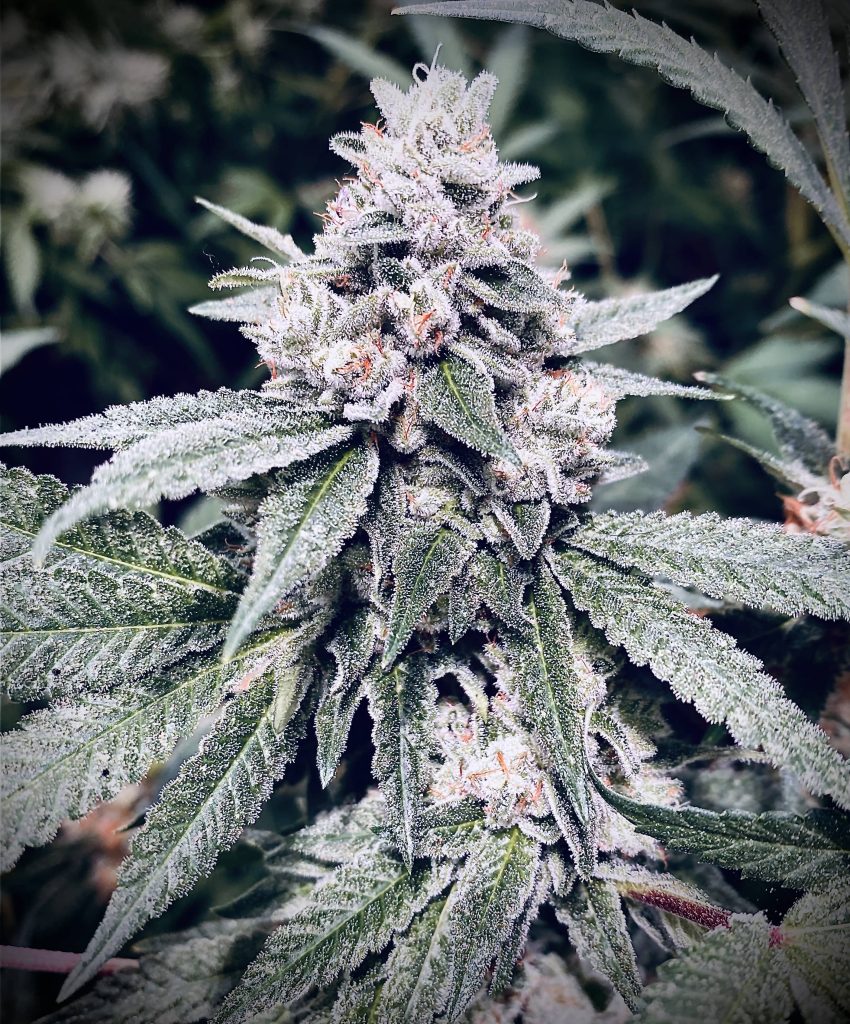
You'll find all kinds of hybrids, and the result depends on each strain and especially its Sativa/Indica balance. In fact, there are hybrids of every kind on the cannabis seed market. The effects are usually balanced and more well-rounded, felt in both body and mind.
Some of the most popular hybrid strains are Critical 2.0, Chronic and Girl Scout Cookies.
Ruderalis or autoflowering cannabis plants
Cannabis ruderalis was described in 1924 by a Russian botanist. It grows wild across Russia and Central Asia, and you can also find wild Ruderalis plants in North America, including the United States and Canada.
Ruderalis plants stay small and usually have low THC levels. However, they have one very interesting trait that has caught the attention of breeders at seed banks around the world.
No matter how many hours of light it gets, Ruderalis cannabis starts flowering on its own. Many seed banks crossed their best Sativa and Indica plants with Ruderalis to create autoflowering seeds, with traits that rival the best feminized plants.
Today, after many generations of crosses and backcrosses, autoflowers have reached exceptional levels of quality. Some stay compact with extremely short life cycles, while others take a little longer to flower and grow into big plants with impressive resin production.
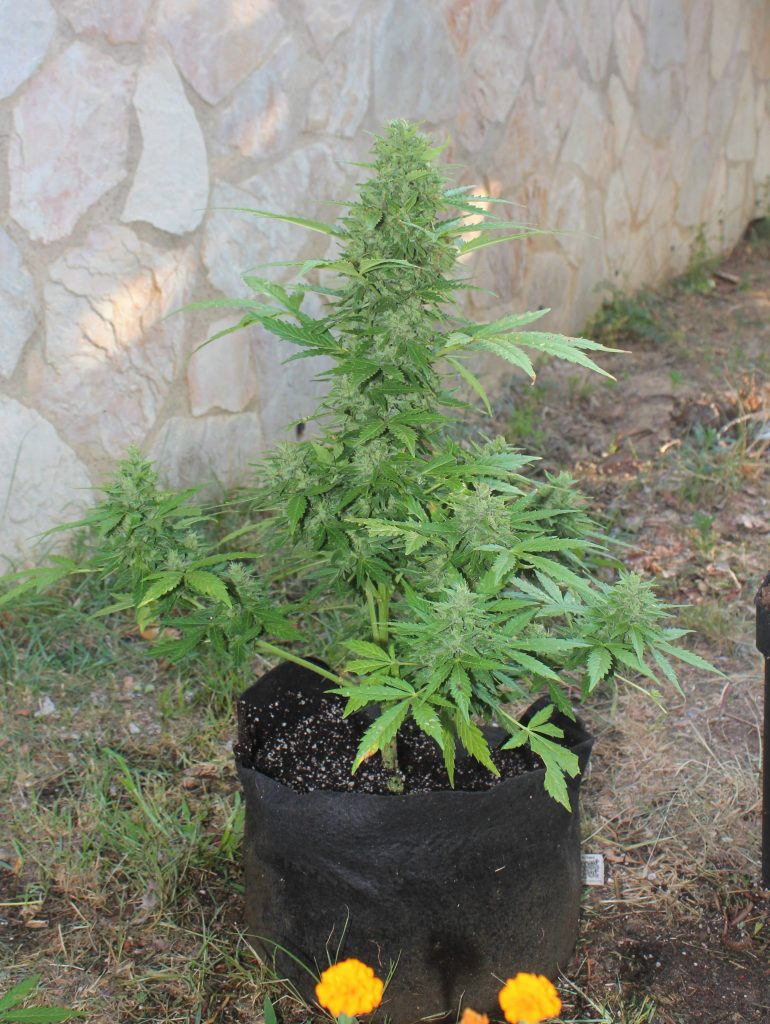
Autoflowers are very popular with growers who don't have much space and want to pull several harvests outdoors. They also work indoors, but you'll want to run 20 hours of light and 4 hours of darkness to get the most out of them. For indoor grows, especially fast Indica photoperiods can be a better pick, cutting your power bill for equally good results.
Any of these types of cannabis can be more or less potent depending on the levels of the different cannabinoids in the plant's resin. Each cannabinoid in the plant adds to its overall profile, so we also offer CBD-rich cannabis seeds with little THC for people who want to limit THC's effects, which not everyone enjoys.
CBD-rich genetics with low THC
Ever since the first CBD-rich strains, like Harlequin CBD, came out, people who want a clear-headed effect with low THC have turned to strains rich in cannabidiol (CBD). They're also ideal for enjoying the flavor of cannabis at any time of day without feeling much of a high, so you can get on with whatever you're doing.
Either way, choosing the right effect is key to getting the most out of each strain, depending on the experience you're after. For a tasty harvest without much of a high, try Jack Herer x Black Domina CBD or CBD Therapy, for example.
High-THC cannabis types
If you want the classic cannabis high, you'll usually go for THC-rich strains. With strains like Gorilla Cookies or OG Kush, among many others, you can expect powerful effects, whether Indica or Sativa. Until a few years ago, most strains topped out below 20% THC, but thanks to the work of top breeders it's no longer rare to find strains extremely high in tetrahydrocannabinol, with levels that can hit 30% depending on growing conditions and phenotype.
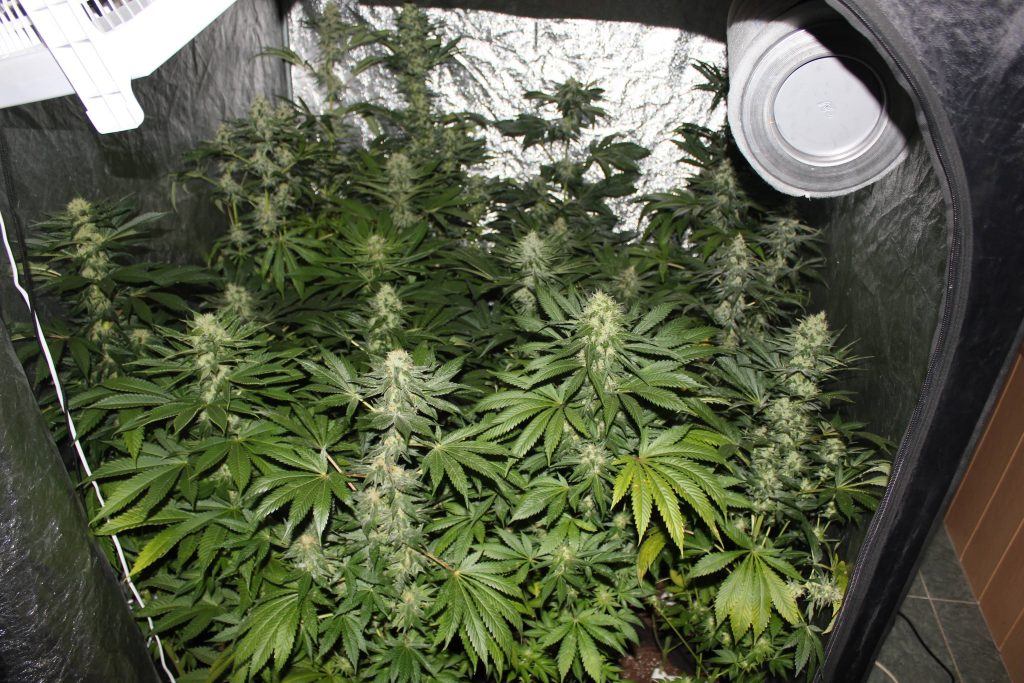
We hope this article has helped you learn more about the different types of cannabis on the market and that you now know what to look for when choosing your next strain to grow.
Happy growing!
Keep reading:
 Cannabis for relaxation: the origin of indica strains with a heavy, body-focused effect
The Best American Strains
Top 5 THC-free marijuana strains
Top 5 of the Best Red Cannabis Strains
Top 10 most powerful cannabis strains